

Users increasingly turn to AI for quick answers. At the autumn iPROM Academy, researchers, experts and decision-makers from Slovenian brands explored what new media habits mean for marketing: from visibility in AI answers and readiness for shopping agents to measuring advertising impact that clicks do not reveal.
Users increasingly turn to AI for quick answers. At the autumn iPROM Academy, researchers, experts and decision-makers from Slovenian brands explored what new media habits mean for marketing: from visibility in AI answers and readiness for shopping agents to measuring advertising impact that clicks do not reveal.
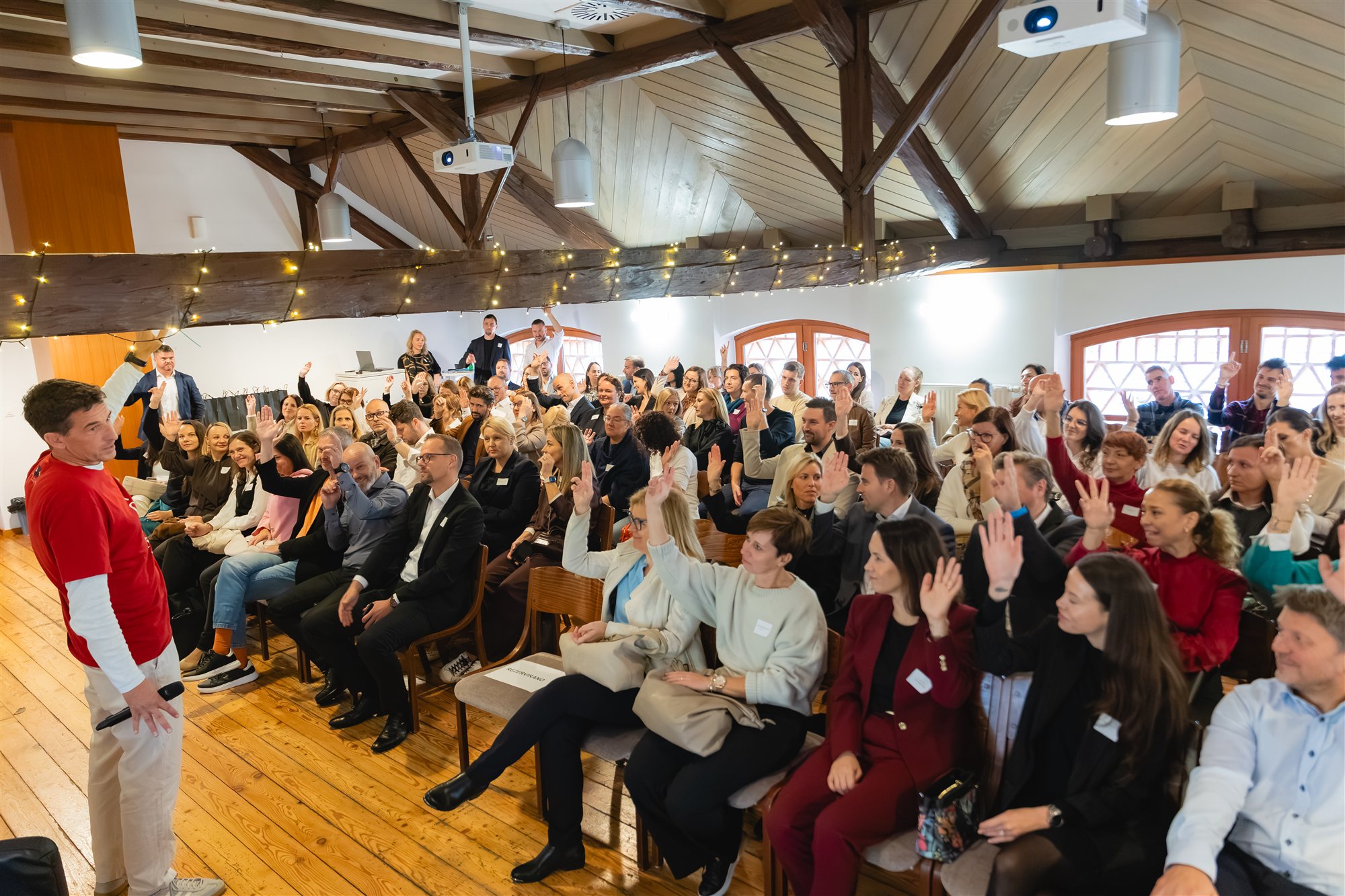
Artificial intelligence has become a constant companion on the customer journey. In the study, 85% of Slovenian internet users surveyed use AI, while 48% of AI users turn to it for help with purchase decisions. A brand can therefore enter or drop out of a customer’s consideration set before they even visit its website. This was the central message of the iPROM Academy, “New User, New Rules of Marketing”, which brought together more than 120 participants at Dvor Jezeršek on 22 October 2026.
The programme connected three dimensions of change: how media habits are evolving, what AI assistants and agents mean for brands, and how companies are already responding through advertising, advice and customer support. The speakers were Miloš Suša, Matjaž Robinšak, Maja Gorjanc, Simon Cetin, Zenel Batagelj, Tomaž Tomšič, Simona Petek Čerpnjak, Renata Kužnik and David Špeh, with both panel discussions moderated by Primož Hvala.
The shared conclusion was clear: the new user is fast, impatient and increasingly represented by an algorithm. Brands that want to remain in their consideration set must be understandable to people and machines, and measure their impact where clicks no longer tell the whole story.
Where does the search for an answer begin?
Users’ first choice when they need a quick answer or explanation.
- 85%of all respondents use AI; 38% every day.
- 48%of AI users turn to it for help with purchase decisions.
- 33%of AI users say they visit brand websites less often.
- 60%of respondents watch time-shifted TV on an average day; 51% watch live.
- +16 ppuplift in ad recall for JUB JUPOL; +15 pp in brand consideration.
- +45%CTR on the Špar Tailor Made retail media platform, with 30% less media waste.
Sources: iPROM and Valicon, Media Content Consumption 2026 (CAWI; n = 699; AI users: n = 593; 7 July–6 September 2026), and the Brand Lift studies and campaign examples presented. Percentages refer to the groups specified alongside the figures; pp means percentage points.
01 / iPROM AcademyIntroduction: user attention remains the constant
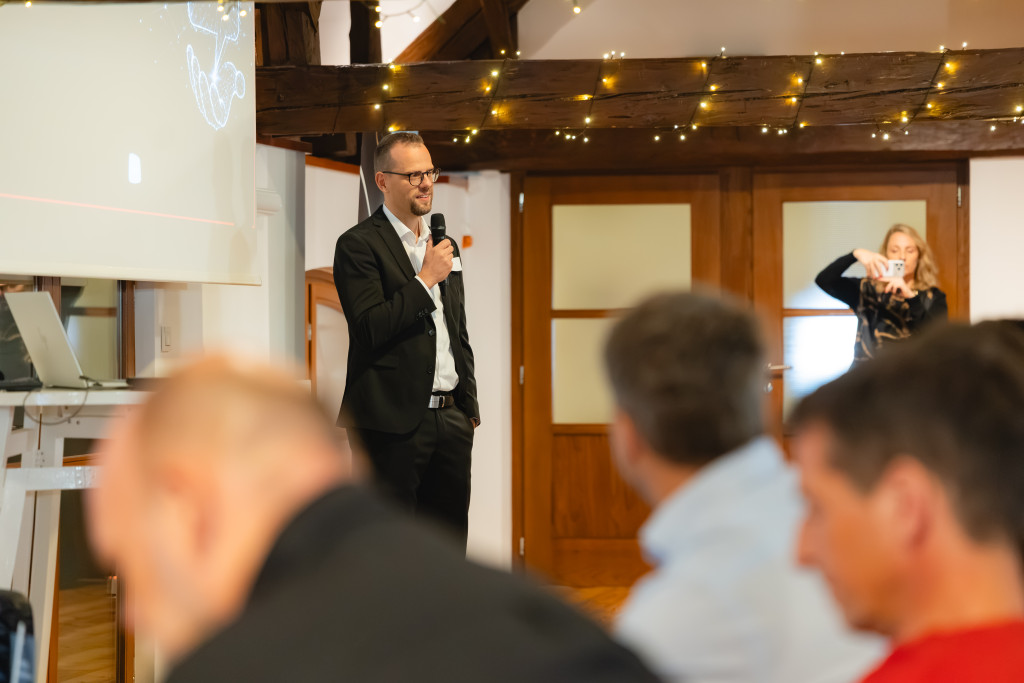
Miloš Suša, Managing Director of iPROM, recalled how, over 27 years, iPROM has followed the full evolution of digital advertising: from banners and video through search, mobile and programmatic advertising to artificial intelligence. Technologies are changing ever faster, but the objective remains the same.
“A great deal is happening around us, but one thing remains constant: we are looking for the user, our target audience, and their attention.”
Miloš Suša, Managing Director, iPROM
02 / iPROM AcademyMedia consumption in 2026: the web leads as television shifts to time-shifted viewing
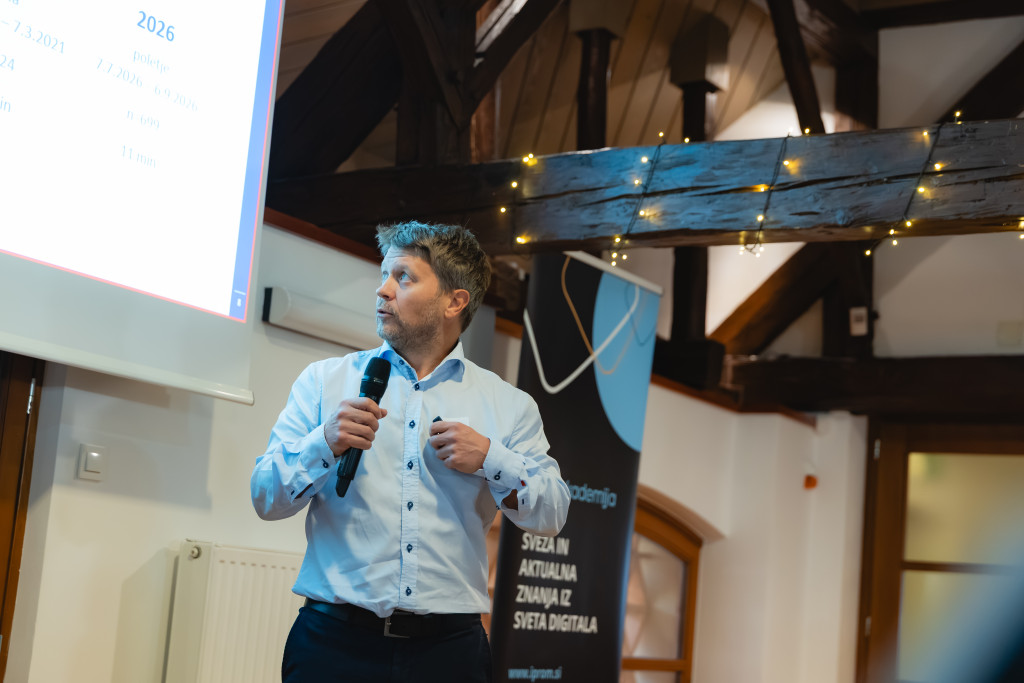
Matjaž Robinšak, Project Director and Partner at Valicon, presented the findings of the Media Content Consumption 2026 study, which iPROM and Valicon have conducted since 2014. Browsing the web remains the leading media activity, with a daily reach of 77%, up 16 percentage points since 2021. News websites follow at 68%, while printed newspapers now reach just 24% of respondents daily.
Television is not disappearing; viewing habits are changing. While watching television, 72% of viewers at least occasionally do something else, and 34% also use AI tools. As many as 77% said they had, at some point, immediately used a phone or tablet to look up additional information online about something on TV. Among social media users, 94% have a Facebook profile, 74% an Instagram profile and 37% a TikTok profile. Facebook is used daily by 72% of its users, compared with 83% in 2021.
Artificial intelligence is spreading fastest: 85% of respondents use it, 73% at least weekly and 38% every day. Among users of each information source, 49% trust AI platforms, 47% trust news websites and 61% trust search engines. Robinšak cautioned that widespread adoption does not necessarily mean in-depth use, as many users mainly turn to AI for quick questions.
“For the first time since we began measuring, more people say they watch time-shifted TV than live TV.”
Matjaž Robinšak, Project Director and Partner, Valicon
03 / iPROM AcademyBrands enter the consideration set before a website visit
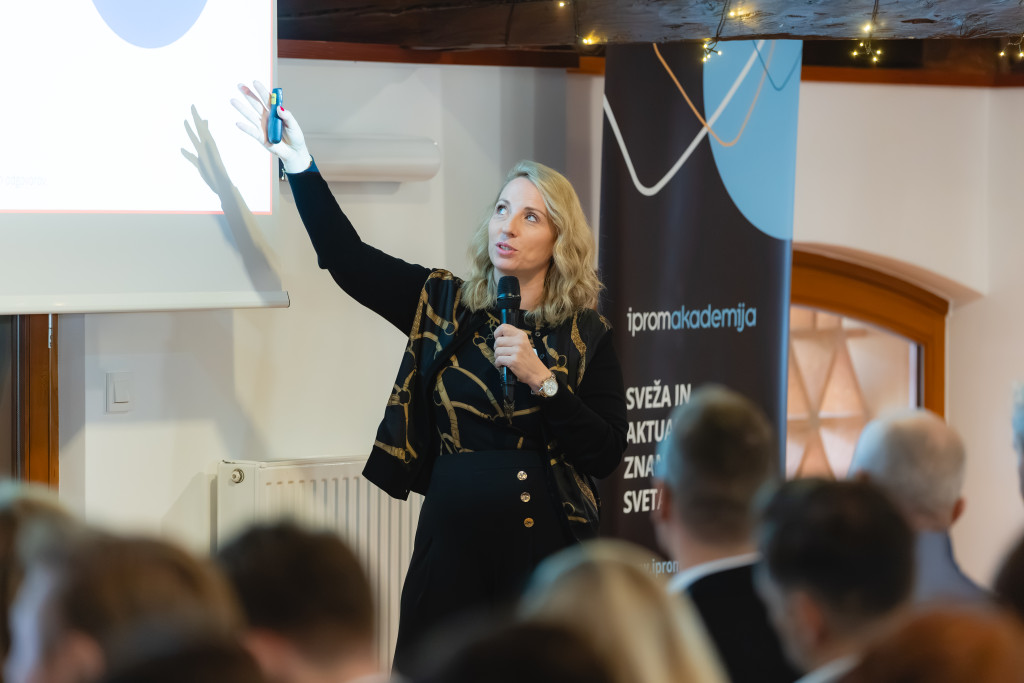
Maja Gorjanc, Marketing Consultant and Research Lead at iPROM, drew out a key implication for brands. When they need a quick answer or explanation, 44% of AI users turn to artificial intelligence first and 32% to a search engine. As many as 75% of AI users use it for quick answers without visiting websites, while 33% say AI has reduced their visits to brand websites.
Users combine sources: among AI users, 73% use search engines, 58% AI platforms and 49% brand websites to find information about events, products, services and other topics. She called this the AI moment of truth. She also urged caution with advertising in AI environments: only 17% of AI users consider ads on AI platforms acceptable. First-party data is becoming fuel for AI systems, and web content must also be understandable and useful to agents.
“We need to recognise that today a brand enters the consideration set before the website visit itself. We may have a great website, but if our digital presence is not relevant to AI interfaces, we do not exist for those users.”
Maja Gorjanc, Marketing Consultant and Research Lead, iPROM
04 / iPROM AcademyPanel discussion: from user experience to agent experience
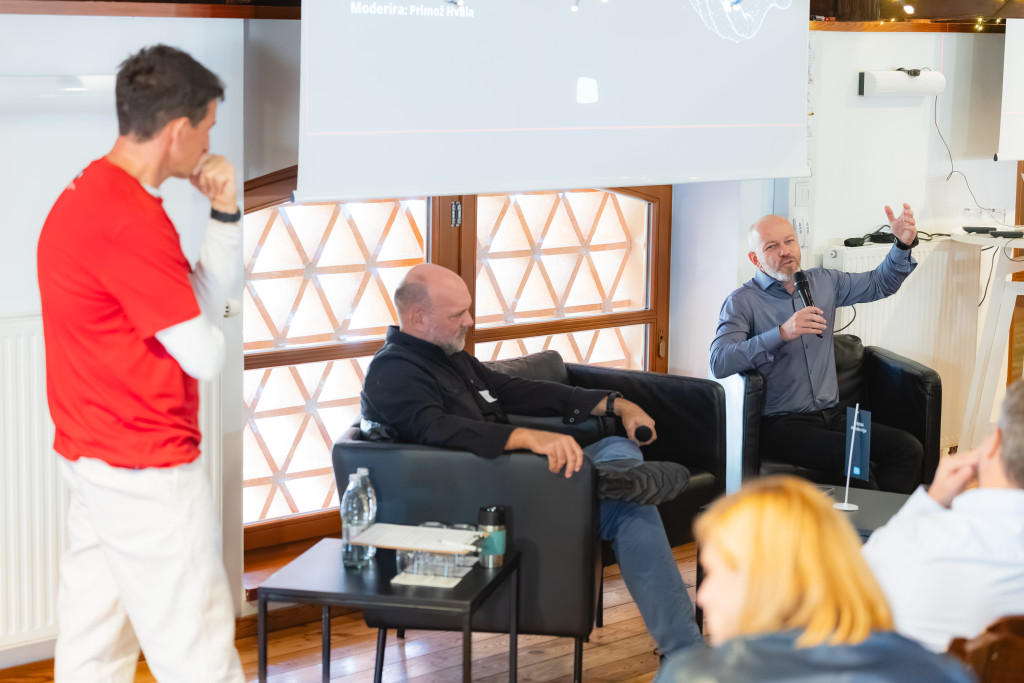
In the first panel discussion, Simon Cetin, Co-founder and Partner at iPROM and Founder of Retoba, and Zenel Batagelj, Co-founder and Partner at Valicon, discussed how the customer journey changes when a buyer authorises a personal agent to make purchases. A quick show of hands revealed that the audience used AI more intensively than average.
Cetin stressed that consumers are “no longer sheep” who can be persuaded by attractive packaging. Agents will compare descriptions, reviews and facts, so product information must be transparent, verifiable and machine-readable. As an example, he described his own agent, which successfully challenged a motorway vignette fine on his behalf, reducing a €300 fine to a warning, selected and bought winter tyres, and is now negotiating with electricity suppliers, among other tasks.

“Alongside user experience and communication for people, we must also plan the experience for AI agents: AX. We need to present products and services clearly, and adapt websites, user accounts and loyalty programmes so that agents can find their way around and quickly complete tasks on a user’s behalf. If they try a few times and encounter obstacles, they may move on to another provider. We need to address this today, because preparation takes time.”
Simon Cetin, Co-founder and Partner, iPROM, and Founder of Retoba
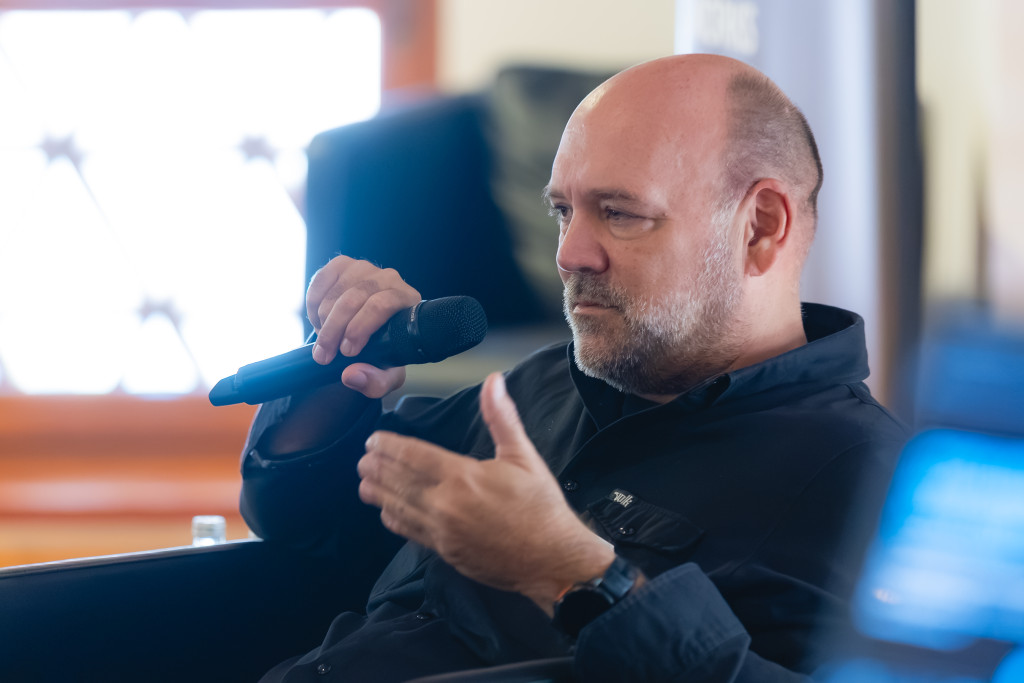
Batagelj highlighted the gap between superficial and serious use of AI and the importance of brand consistency. Values, boundaries and tone of voice need to be defined once and then applied consistently: as he put it, “this is not a campaign; this is forever”. He encouraged participants not to give up too quickly when testing tools.
“If we want a brand to thrive in a world of AI agents, we must clearly define what that brand is: its values, how it communicates, and what it can and cannot do. This is not a campaign; this is forever. This new world demands and rewards consistency and clear rules. We also need to break the habit of giving up after the first failed attempt. If something does not work today, that does not mean it will not work. It means it does not work yet.”
Zenel Batagelj, Co-founder and Partner, Valicon
05 / iPROM AcademyDigital in practice: the impact clicks do not reveal
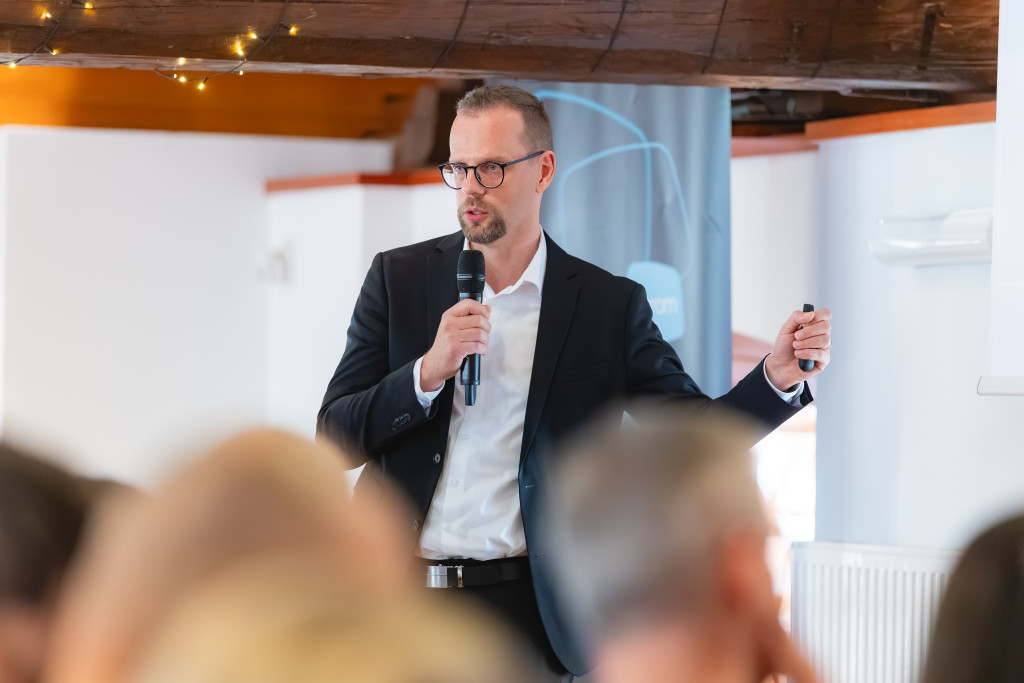
Miloš Suša, Managing Director of iPROM, and Tomaž Tomšič, Head of iPROM Labs, presented five trends supported by Brand Lift studies comparing exposed and control groups. The first trend is impact without a click: according to BrightEdge’s analysis (2025), the click-through rate (CTR) for the high-volume search queries tracked that trigger Google AI Overviews fell by almost 30% in the year following their introduction. According to the SparkToro and Datos study (2024), 58.5% of Google searches in the US ended without a click: approximately six in ten.
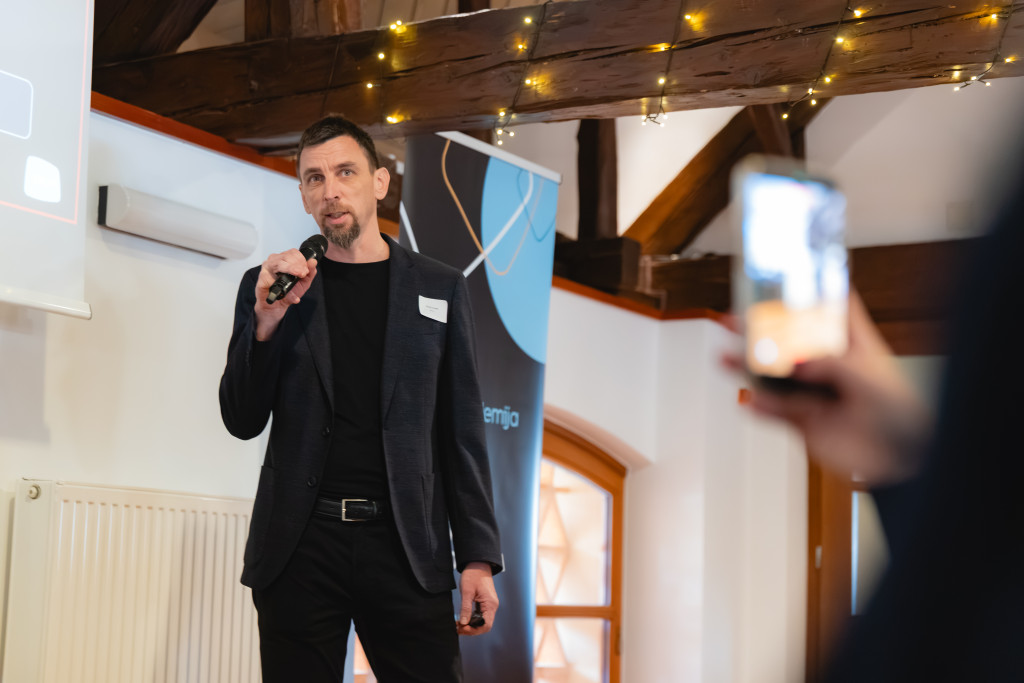
The second trend is optimal frequency. In the SPAR Natur*pur campaign, ad recall increased by 4.4 percentage points and purchase intent by 4.5 percentage points. The optimal frequency in this campaign was 13–15 impressions per user, while the average achieved was only 6–7. In the JUB JUPOL campaign, frequency was optimised while the campaign was still running. Measured ad recall increased by 16 percentage points and brand consideration by 15 percentage points, at a cost of €0.33 per user with increased recall.
“More than eighty per cent of people who said they saw the ad or would buy a product did not actually click on the ad at all. So a click alone is no longer a measure of impact.”
Tomaž Tomšič, Head of iPROM Labs
The third trend connects attention, format and creative. In the AVE barbecue meat campaign, standard formats increased recall by 12 percentage points and purchase intent by 8 percentage points. For MOL and INA JOE Radler, the 360° interactive format delivered 4.8 times the uplift in ad recall of a static format (5.8 versus 1.2 percentage points). For Hyundai, ad recall uplift increased from 3.7 to 8.5 percentage points when the campaign focused on a single model instead of the full range, while CTR remained broadly unchanged. For Vita, a clearer message with a specific benefit increased ad recall uplift from 3.2 to 7.8 percentage points.
“The CTR is not what matters most. What matters is what people think when they see the ad, and whether they remember it.”
Miloš Suša, Managing Director, iPROM
06 / iPROM AcademyMicro-moments, first-party data and seconds of attention
The fourth trend is micro-moments. In the AVE barbecue meat campaign, ad recall uplift was highest at temperatures of 23°C and above (17.0 percentage points). From Wednesday to Friday, recall uplift was 45% greater and purchase intent uplift 64% greater than from Saturday to Tuesday. Between 6 am and 4 pm, recall uplift was 108% greater and purchase intent uplift 73% greater than in the evening and overnight.
The fifth trend is smarter use of first-party data and algorithms to deliver more impact and less media waste with the same budget. The SPAR Advertising Platform connects loyalty programme data, iPROM Private DMP and iPROM’s programmatic advertising with machine-learning models that identify similar users. Campaigns reached more than 300,000 new users outside the loyalty programme, CTR increased by 45% (from 0.49% to 0.71%), and media waste fell by 30%. This is retail media in practice.
iPROM Labs is developing ways to measure actual exposure time. For Mlekarna Celeia’s plant-based products, this ranged from 24 to 27 seconds. Exposure time is not the same as active attention time, but it offers a more detailed view than impression counts alone. The speakers highlighted attention-based media buying and agents that learn from results as directions for future development.
07 / iPROM AcademyPanel discussion: AI assistants in practice at Slovenian brands
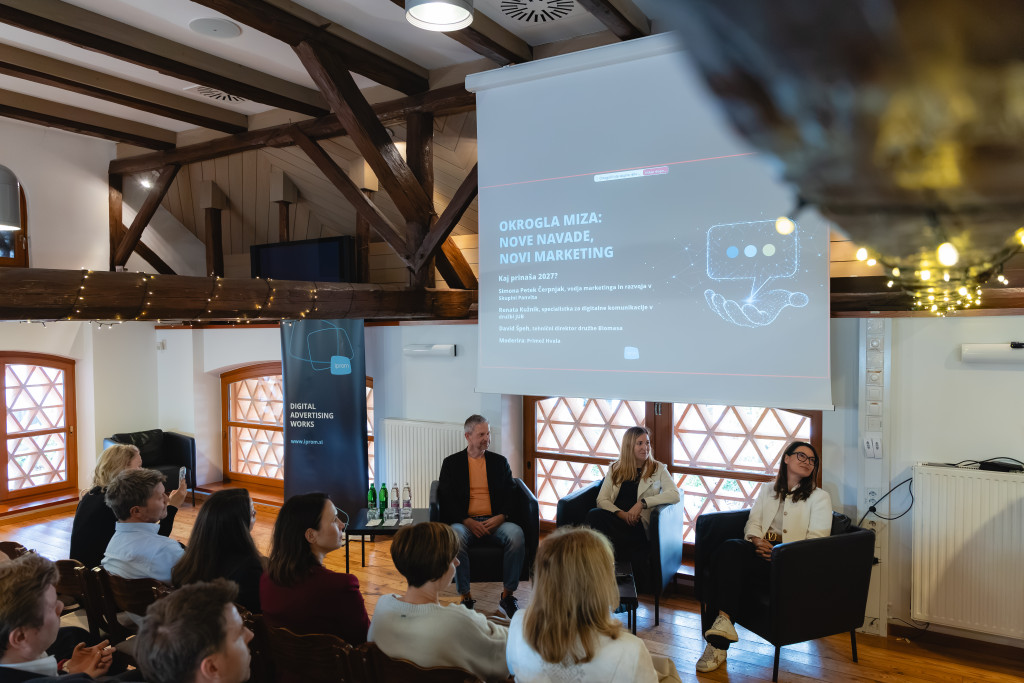
The second panel showed how AI assistants are already working at Slovenian companies. Simona Petek Čerpnjak, Head of Marketing and Development at Panvita Group, presented Mojster AVE, an AI butcher developed with Retoba. Customers want quick, specific answers, while experienced butchers are becoming harder to find. In around six months, Mojster AVE handled approximately 6,000 conversations and answered 9,000 questions, following the brand’s values and clear boundaries, particularly on food safety.
Simona also highlighted the value of the questions customers ask Mojster AVE: they reveal their interests, expectations and unmet needs. Analysing conversations with an AI assistant therefore helps a brand better understand customer needs and attitudes towards the brand, and identify opportunities to develop new products.
“First, you need to know what you want. What is your consumer’s pain point? What are you solving, and what are you enabling them to do? Then it is much easier to adapt the technology to what you want.”
Simona Petek Čerpnjak, Head of Marketing and Development, Panvita Group
Renata Kužnik, Digital Communications Specialist at JUB, presented the JUB Home Colour AI colour adviser. Customers can struggle to choose from 762 shades, including 30 whites, so the tool uses a photograph of a room to show a realistic preview of the chosen colour. Only a few months passed between selecting an agency in late January and launching in May. By early September, the tool was available in English, Hungarian, Czech, Serbian, Bosnian and Croatian. Users generated around 8,000 images and saved approximately 1,800; around 170 continued to the online store.
“Sometimes, when training AI assistants, you need to take a step back. An older version can also work better.”
Renata Kužnik, Digital Communications Specialist, JUB
David Špeh, Technical Director at Biomasa, presented the AI Ambassador the company developed with Retoba. Biomasa prepares around 1,000 quotations and sells 250 boilers a year, and 15–20% of quotation recipients interact with the assistant. Biomasa Asistent advises boiler owners through a personal QR code, but stops and refers them to a service technician when a task could be dangerous. He said he chose Retoba because Simon Cetin was the only person to challenge him rather than simply agree.
“We only have a supercomputer. It has neither knowledge nor wisdom. That means we must use our knowledge and wisdom to guide artificial intelligence.”
David Špeh, Technical Director, Biomasa
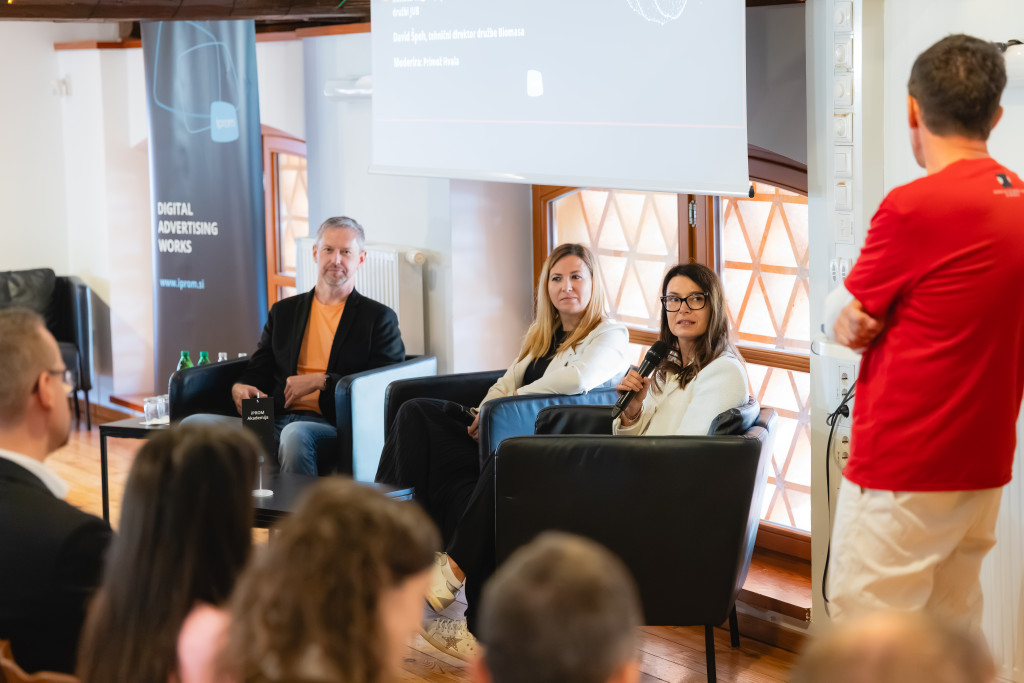
08 / iPROM AcademyTrends for 2027
- Agentic commerce: shopping in which an AI agent searches for and compares offers, negotiates prices and terms, and orders a service or buys a product on the customer’s behalf.
- AEO, GEO and AX: developing the knowledge and practices that make a brand visible in AI answers and generative search, and enable interaction with AI agents. The goal is for AI tools to find, correctly understand, present and recommend the brand, and for agents to place orders or make purchases with the user’s authorisation. This requires coordinated work on data, communication, digital experiences and business processes.
- Impact without a click: the user receives an answer or sees an ad without clicking, so clicks no longer measure the full impact.
- Retail media: advertising based on a retailer’s customer and purchase data, reaching shoppers both within and beyond the retailer’s own channels.
09 / iPROM AcademyThree steps for marketing leaders
- 01
Build your brand’s AI visibility systematically.
Make understanding how AI interfaces and agents find, understand and present your brand part of your marketing strategy. This developing field requires new skills, collaboration between teams and service providers, and continuous testing and adjustment. Start with high-quality product and service data, and clear, consistent communication across all touchpoints. More on GEO, AEO and AX.
- 02
Measure more than clicks.
Use Brand Lift studies to track recall, brand consideration and purchase intent. Apply the results to adjust frequency, format, message and timing.
- 03
Start with a specific customer problem.
Give your AI assistant (an AI ambassador for your brand, service or product) a clear purpose, data, values and boundaries. Test it internally before launching it publicly, and assign someone in the company to take responsibility for it.
10 / iPROM AcademyThe future of marketing starts with the new user
The autumn iPROM Academy showed that the rules of marketing are changing not because of a single technology, but because users are faster, more selective and increasingly represented by algorithms.
Brands will need to be present wherever users seek answers, even when they do not visit the brand’s website. Data quality, consistent messaging and content that agents can understand will therefore become as important as creative.
The campaigns presented show that advertising impact can also be tracked through recall, brand consideration and purchase intent. The AI assistant examples show how companies can connect new habits with customer advice and support.
11 / iPROM AcademyiPROM Academy also recognised successful partnerships
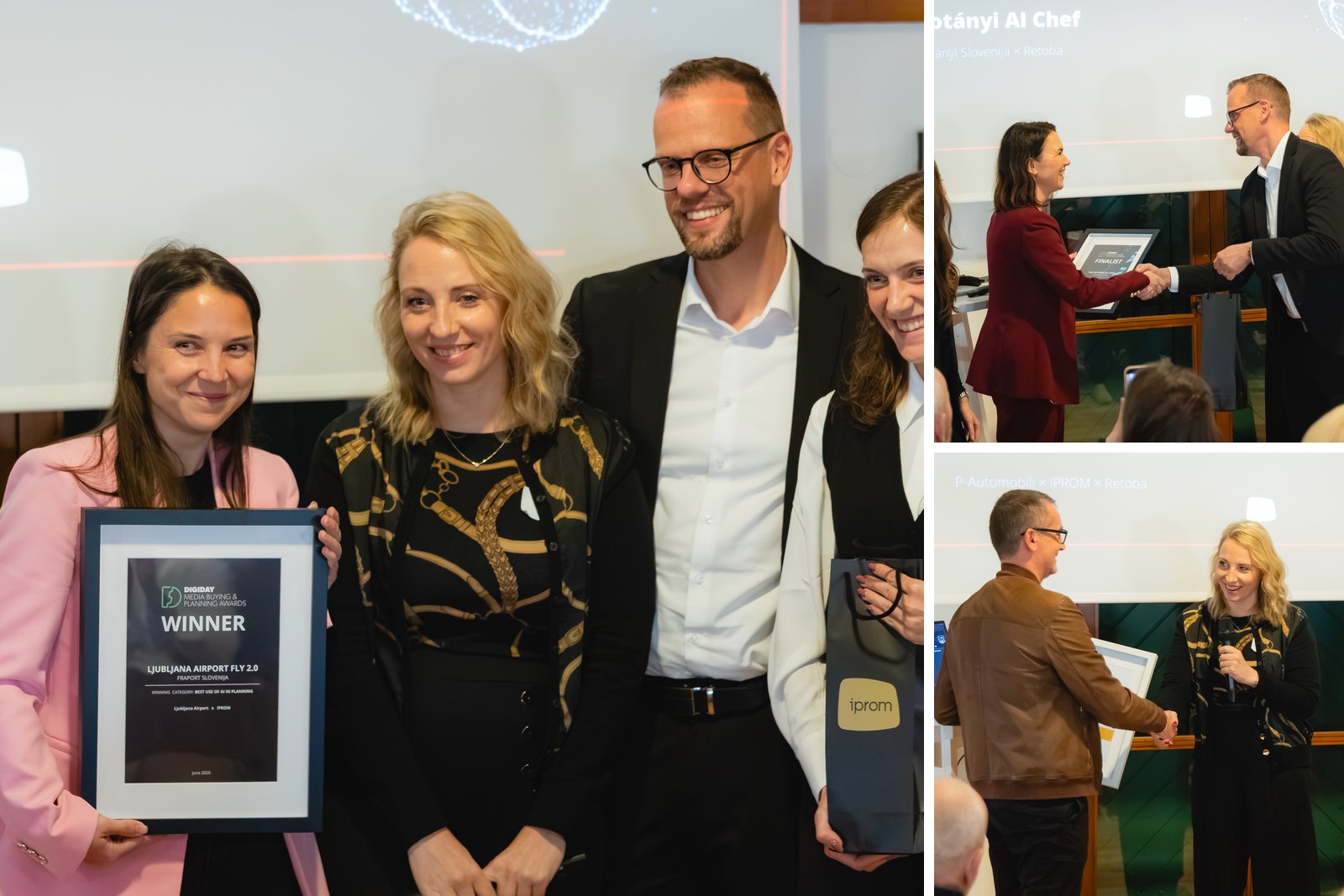
The iPROM Academy was also an opportunity to celebrate recognition for successful partnerships during the year. At the international Digiday Media Buying & Planning Awards 2026, presented by New York-based media company Digiday, the Ljubljana Airport FLY 2.0 project, developed by Fraport Slovenija with iPROM, won Best Use of AI in Planning.
SPAR Tailormade (SPAR and iPROM) was shortlisted for Best Retail Media Strategy, while Kotányi AI Chef (Kotányi and Retoba) was shortlisted for Best Creative Use of AI.
The advertising system of the future for Peugeot Slovenia, developed by P-Automobili, iPROM and Retoba, won second place in the Innovative Creators of the Future category at the Websi Digital Excellence Awards.
From new habits to your next move.
Explore the research findings and Academy programme, and consider which insights matter most for your brand.